
A slab leak is one of the most serious plumbing problems a homeowner can face. Because these leaks occur beneath the concrete foundation of your home, they often stay hidden until severe damage has already occurred. Slab leaks can weaken your foundation, cause mold growth, waste water, and lead to thousands of dollars in structural repairs if left untreated. Knowing the early warning signs can help you catch the problem quickly and protect your Antelope Valley home from costly damage.
According to The Spruce, slab leaks often start small but grow rapidly due to constant water pressure beneath the home. Consumer Reports warns that hidden leaks—including slab leaks—are major contributors to expensive water damage and mold issues. Meanwhile, Family Handyman explains that subtle signs such as warm flooring or unexplained water bills are often the first indicators of a slab leak.
What Causes Slab Leaks?
Several factors can contribute to slab leaks, especially in older homes or properties with shifting soil conditions. The most common causes include:
- Corroded pipes due to mineral-heavy water or chemical reactions
- High water pressure weakening pipe joints
- Soil movement from drought, moisture changes, or earthquakes
- Poor installation of original plumbing
- Old or weakened pipe materials
Because slab leaks grow worse over time, early detection is essential.
Early Warning Signs You Shouldn’t Overlook
A slab leak is rarely visible, but it often produces noticeable symptoms inside your home. Look for:
- Warm or hot spots on flooring
- Unusually high water bills with no obvious cause
- Cracks in walls or flooring from shifting foundation
- Water pooling around the base of the home
- Low water pressure throughout the house
- Constant sound of running water when fixtures are off
If you notice even one of these signs, schedule professional leak detection immediately.
The Dangers of Ignoring a Slab Leak
Slab leaks do not fix themselves. When untreated, they can lead to:
- Severe foundation damage
- Mold growth beneath flooring
- Buckling or warped hardwood floors
- Soil erosion under the slab
- Structural instability
- Extensive water loss and higher utility bills
The longer a slab leak runs, the more difficult and expensive it becomes to repair.
How Professionals Detect Slab Leaks
Professional leak detection involves advanced diagnostic tools to locate leaks without tearing up flooring or concrete. A licensed plumber may use:
- Acoustic listening devices to pinpoint water movement
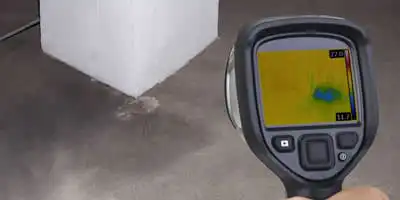
- Thermal imaging cameras to detect temperature changes
- Moisture meters for signs of hidden water
- Pressure testing to determine system leaks
- Camera inspections for underground piping
These tools allow plumbers to identify the leak accurately and decide the best repair method.
How Slab Leaks Are Repaired
Depending on the severity and location of the leak, repair options may include:
- Spot repair for small, isolated leaks
- Rerouting pipes above the slab to bypass damaged lines
- Full repiping for older homes with recurring leaks
- Breaking through the slab when necessary to access damaged sections
The right solution depends on the condition of your pipes and the extent of the damage.
How to Prevent Future Slab Leaks
Homeowners can reduce the risk of slab leaks by:
- Maintaining proper water pressure
- Scheduling regular plumbing inspections
- Monitoring water bills monthly
- Installing a water softener if hardness is high
- Addressing small leaks quickly before they worsen
Prevention and early diagnosis are essential for protecting your foundation.
Your Antelope Valley Experts for Leak Detection & Slab Leak Repair
When warm floors, rising water bills, or unexplained moisture appear, Brock Plumbing provides expert Leak Detection & Slab Leak Repair to protect your home and prevent structural damage. For fast diagnosis, precise repairs, and trusted local service, reach out anytime through our Contact Us page for immediate assistance.