
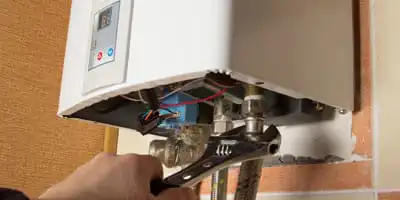
If you live in the Antelope Valley, you know that utility bills can spike during our extreme weather seasons. Naturally, many homeowners in Palmdale and Lancaster are looking for ways to make their homes more energy-efficient. One of the most popular upgrades we see is the switch from a traditional storage-tank water heater to a tankless water heater.
But is “going tankless” right for your home? While the technology offers incredible convenience, it isn’t a perfect fit for every household. Here is an honest look at the pros and cons to help you decide.
The Benefits of a Tankless Water Heater
1. Endless Hot Water The biggest selling point for large families is the “endless” supply. Unlike a traditional tank that holds 40 or 50 gallons of hot water, a tankless unit heats water on demand as it passes through the pipes. This means you won’t run out of hot water halfway through a shower just because someone started the dishwasher.
2. Lower Energy Bills Traditional water heaters suffer from “standby heat loss”—they constantly burn gas or electricity to keep a large tank of water hot 24/7, even when you aren’t home. Tankless units only activate when you turn on the tap. According to the Department of Energy, homes that use 41 gallons or less of hot water daily can be 24%–34% more energy efficient with a tankless unit.
3. Space Savings In many Antelope Valley homes, the water heater takes up valuable square footage in the garage or laundry room. Tankless units are about the size of a small suitcase and mount directly to the wall, freeing up floor space for storage or other appliances.
4. Longer Lifespan A standard tank water heater typically lasts 10–12 years. In contrast, a well-maintained tankless unit can last 20 years or more, making it a better long-term investment.
The Downsides (and What to Watch Out For)
1. Higher Upfront Cost The initial cost of purchasing and installing a tankless unit is higher than replacing a standard tank. The installation often involves upgrading gas lines or electrical venting to accommodate the unit’s high power demand during operation.
2. The “Cold Water Sandwich” Because the unit takes a second to fire up when you turn on the tap, there can be a momentary lag of cold water before the hot water arrives. If you turn the faucet off and back on quickly, you might experience a “sandwich” of hot-cold-hot water.
3. Sensitivity to Hard Water This is the most critical factor for our area. The Antelope Valley has notably hard water, which contains high levels of calcium and magnesium. These minerals can build up (scale) inside the heat exchanger of a tankless unit much faster than in a traditional tank.
- The Solution: To protect your investment, we highly recommend installing a water softener alongside your tankless unit or committing to a professional flush (descaling) once a year.
Is It Right for You?
If you plan to stay in your home for years and want to lower your monthly bills, a tankless water heater is a fantastic upgrade. However, it requires professional installation to ensure your gas and water lines are sized correctly for the unit.
Contact Us
Ready to upgrade your hot water system? Whether you need a tankless installation or a repair on your current unit, Brock Plumbing has been the Antelope Valley’s trusted expert for over 30 years.